
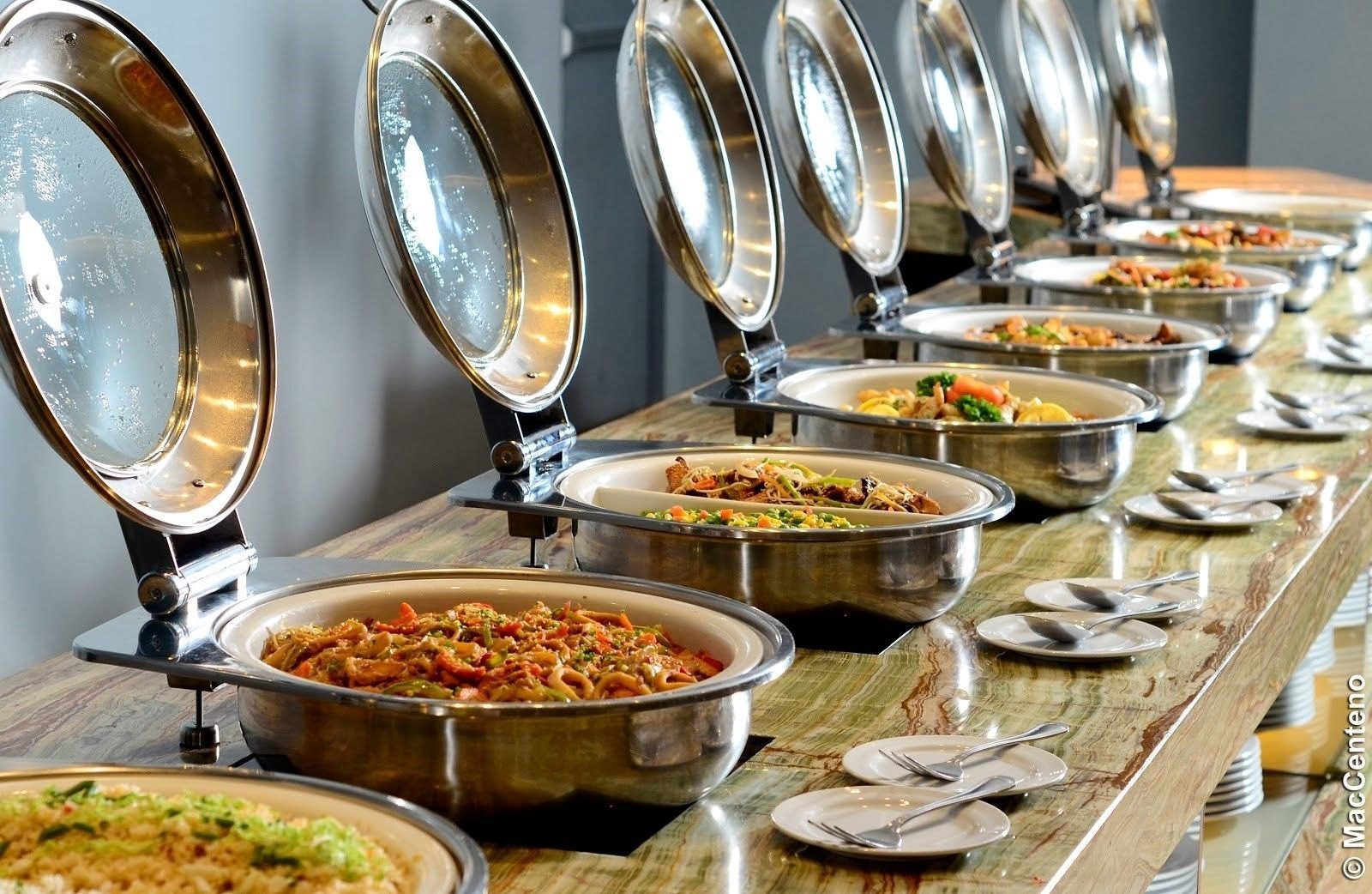
Catering, once simply a service to provide food for large events, has evolved into a sophisticated and integral part of many celebrations, corporate functions, and personal gatherings. It is no longer just about providing sustenance; catering has become an art form, a way to enhance the experience of any event by offering a curated culinary journey that delights the senses. Whether it’s an intimate dinner for a few or a lavish wedding banquet, catering plays a central role in shaping the atmosphere and creating lasting memories.
The roots of catering can be traced back to ancient civilizations, where large feasts and gatherings required the services of skilled cooks and servers. In modern times, catering has expanded to encompass an entire industry dedicated to delivering high-quality food, exceptional service, and unique experiences. From small, family-run operations to large-scale catering companies, the industry has diversified to meet the ever-changing needs of clients, offering everything from traditional fare to avant-garde dining concepts.
Catering as a Culinary Experience
At its heart, catering is about more than just feeding a crowd—it is about creating an experience. In a world where dining has increasingly become an experience in itself, catering companies have had to adapt and innovate to meet the growing demand for unique, personalized services. The rise of experiential dining, where food is not only seen as sustenance but also as entertainment, has shifted catering into new territories. Today, catering is about storytelling through food, designing menus that evoke emotions, and creating settings that match the event’s tone.
For example, consider a wedding reception. Beyond the food itself, catering sets the stage for the entire celebration. The choice of menu—whether it’s a formal sit-down dinner, a sophisticated buffet, or an interactive food station—must complement the couple’s vision for their special day. A well-chosen menu not only satisfies the palate but also communicates something about the couple’s tastes, culture, and personality. A catering service that takes the time to understand these details is one that transforms a simple meal into a memorable experience for all the guests.
Similarly, corporate events have seen a shift in how food is presented and served. No longer are business lunches limited to sandwiches and coffee; catering for such occasions has become an opportunity to reflect the company’s brand values, foster networking, and create an atmosphere conducive to meaningful conversations. Corporate catering services now offer curated menus that take into account dietary preferences, trends, and themes that align with the company’s ethos. Whether it’s a health-conscious meal with organic ingredients or a menu celebrating local flavors, catering for corporate events is about more than just feeding people—it’s about creating an environment that promotes engagement and satisfaction.
The Challenges of Catering
While catering is an exciting and rewarding field, it is not without its challenges. One of the most significant obstacles that caterers face is the need to maintain quality while working on a large scale. Preparing gourmet dishes for hundreds or even thousands of guests demands impeccable planning, skillful execution, and a highly organized team. The logistics of catering—coordinating the timing, delivery, and presentation of food—are critical to the success of any event.
Moreover, the catering industry must contend with the ever-changing landscape of dietary preferences and restrictions. In today’s diverse world, clients often request menus that accommodate a wide range of dietary needs, from gluten-free to vegan and everything in between. Professional caterers must be adept at crafting menus that satisfy all guests, regardless of dietary limitations, without sacrificing flavor or presentation. This requires creativity, knowledge of ingredients, and the ability to adapt traditional recipes to meet modern demands.
Seasonality is another challenge that caters must navigate. Sourcing the freshest, highest-quality ingredients, particularly for large events, requires careful planning and strong supplier relationships. As seasons change, so too do the types of food available, and caterers must be skilled at incorporating seasonal ingredients into their menus. Not only does this ensure the dishes are as fresh and flavorful as possible, but it also supports sustainability by reducing the reliance on out-of-season produce and minimizing food waste.
The Rise of Specialized Catering
One of the most exciting trends in catering is the rise of specialized services tailored to specific client needs. In an increasingly personalized world, people want their events to reflect their unique tastes and values, and this has led to the growth of niche catering services. For instance, health-conscious catering services have gained popularity as people become more aware of the nutritional value of the food they consume. Caterers who specialize in plant-based, organic, or farm-to-table dining offer clients the ability to align their meals with their lifestyle choices and dietary preferences.
Similarly, cultural and ethnic catering has become a major trend. Globalization has led to greater exposure to diverse cuisines, and catering services that specialize in international dishes allow clients to incorporate flavors from around the world into their events. Whether it’s an Indian-inspired menu with fragrant curries and flavorful breads, or a sushi bar featuring expertly prepared rolls, the opportunity to explore new culinary traditions is something that today’s caterers are more than willing to provide.
Another growing niche within the catering industry is the demand for eco-friendly practices. More clients are seeking caterers who prioritize sustainability, from using locally sourced ingredients to minimizing food waste. Some caterers even offer zero-waste or low-waste options, ensuring that the environmental impact of the event is kept to a minimum. These eco-conscious catering services appeal not only to individuals who are passionate about environmentalism but also to those who wish to reflect their values in every aspect of their celebration.
The Future of Catering
Looking ahead, the future of catering seems poised for further innovation. Advances in technology are already beginning to reshape the industry, with smart kitchens and automated processes improving efficiency and precision in food preparation. The use of online platforms and apps has also revolutionized how catering services interact with clients, allowing for seamless booking, personalized menu selection, and event management. In addition, the rise of virtual and hybrid events has prompted caterers to adapt by offering creative delivery options, from gourmet meal kits to individually packaged meals for remote attendees.
As catering continues to evolve, one thing remains clear: the role of the caterer is no longer just to provide food, but to enhance the entire event experience. In an industry driven by creativity, personalization, and exceptional service, caterers will continue to push the boundaries of what is possible, offering clients not just a meal, but an unforgettable culinary experience.
Conclusion
In essence, catering is an art that requires not only technical skill but also an understanding of the client’s vision and a deep appreciation for the role food plays in bringing people together. Whether it’s a wedding, corporate event, or private celebration, the success of an event often hinges on the catering service’s ability to deliver exceptional food that enhances the occasion. With its continued growth and diversification, the catering industry will undoubtedly remain an essential part of our social and professional lives, providing experiences that go beyond mere dining to create unforgettable memories.