


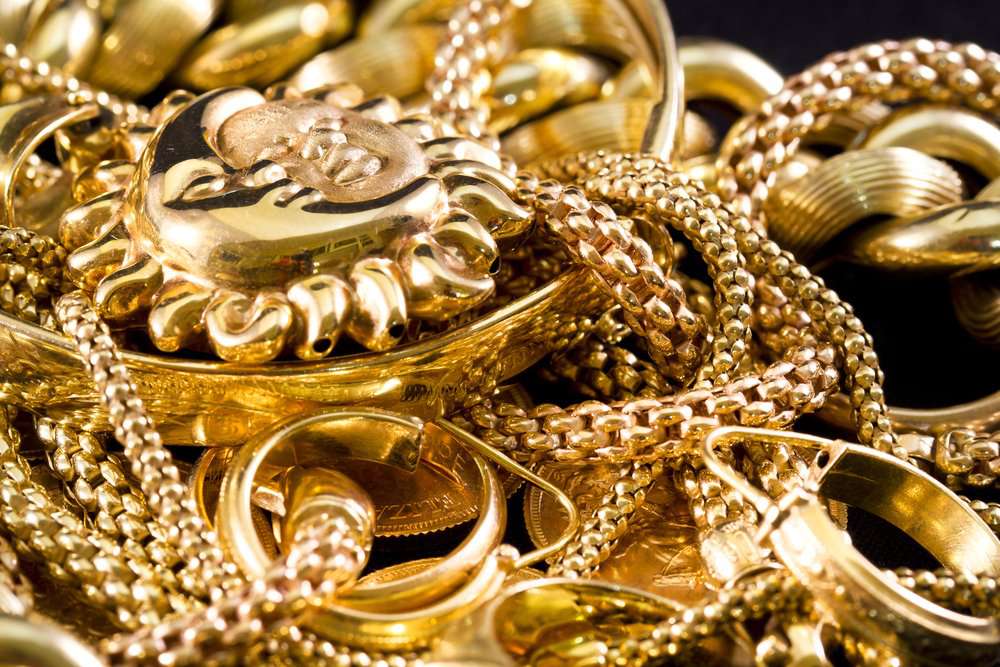
Jewellery has long been a symbol of beauty, wealth, and status, but it is much more than just an accessory. It is an expression of culture, identity, and personal taste. From the earliest forms of beaded necklaces worn by ancient civilizations to the contemporary designs adorning red carpets today, jewellery serves as both art and adornment, and its significance has evolved through centuries. It transcends mere decoration, becoming a powerful tool for expressing emotions, milestones, and beliefs. Jewellery, in its many forms, carries a story—a story that reflects the wearer’s personality, desires, and the culture from which it originates.
The Craft of Jewellery: An Ancient Tradition
The art of jewellery-making is one of the oldest human crafts. Archaeological evidence reveals that as far back as 100,000 years ago, early humans were using materials like bone, teeth, shells, and stones to create simple adornments. Over time, the materials used evolved into metals such as gold, silver, and copper, which were prized for their rarity and beauty. Ancient Egyptians, known for their love of opulence, popularized intricate jewellery designs, using precious stones like lapis lazuli, turquoise, and emeralds, alongside gold. These pieces weren’t just for decoration; they were also laden with religious symbolism, often designed to honor deities or serve as amulets to protect the wearer.
Jewellery-making techniques also evolved alongside technological advances. By the Middle Ages, skilled artisans were developing advanced methods like filigree (delicate metalwork) and enamel, which allowed for more intricate designs. In the Renaissance, the importance of jewellery shifted toward personal expression and artistic achievement, with noble families commissioning bespoke pieces to reflect their status. The Industrial Revolution, which saw the mass production of jewellery, democratized access to precious metals and stones, allowing a wider range of people to partake in the tradition of adornment.
Today, the craft of jewellery-making combines centuries-old techniques with modern technology. CAD (computer-aided design) software allows for precision and creativity in the design process, while 3D printing technology opens new doors for innovative forms. Yet despite these advancements, the artistry of jewellery remains as significant as ever. Whether crafted by hand or with the help of technology, each piece of jewellery tells a unique story, shaped by the vision of its maker.
Jewellery as a Symbol of Identity and Personal Expression
Jewellery has always been more than just a reflection of wealth; it is an extension of one’s identity. Throughout history, people have used jewellery to make personal statements, communicate their values, and reflect their social status. Engagement rings, for example, are one of the most enduring symbols of love and commitment. The tradition of gifting a diamond ring to signify an engagement dates back to the 15th century and was popularized by the famous “A Diamond is Forever” marketing campaign in the 20th century. The engagement ring has since become an almost universal symbol of marriage, a permanent token of one’s vows.
Beyond engagements and weddings, jewellery serves as a personal signature. The choice of jewellery—whether it’s an intricate piece passed down through generations or a contemporary, minimalist design—can reveal much about a person’s character and tastes. Some may gravitate toward bold, statement pieces that exude confidence, while others may prefer subtle, elegant designs that speak of understated sophistication. For many, jewellery becomes a way to express their cultural heritage, with traditional designs or gemstones representing a deep connection to their roots.
The rise of the bespoke jewellery market is a testament to the desire for personalization and the power of jewellery to tell individual stories. From custom-made rings to necklaces engraved with meaningful messages, bespoke pieces allow people to incorporate their personal experiences and emotions into a physical form. The growing trend of personalized jewellery extends beyond luxury items to include more affordable, yet meaningful, pieces that carry deep sentimental value.
Cultural Significance and Symbolism in Jewellery
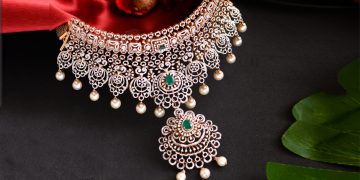
Throughout history, jewellery has served as a bridge between art, religion, and culture. In many ancient cultures, jewellery was not only a form of personal adornment but also a symbol of power, spirituality, and protection. In India, for instance, jewellery holds deep cultural and religious significance. The tradition of wearing gold is closely tied to the belief in its purity and eternal value. Many Indian brides wear a series of gold necklaces, bangles, and earrings as part of their wedding rituals, with each piece representing not only beauty but also prosperity and good fortune.
In the West, jewellery often symbolizes love and commitment, but it also carries historical and cultural weight. The crown jewels of Britain, for example, embody centuries of monarchy and serve as symbols of authority, tradition, and continuity. Similarly, pieces such as crosses or medallions in Christian culture are worn not just as decoration but as expressions of faith.
Jewellery also plays a prominent role in social rituals and rites of passage. In many cultures, significant milestones in a person’s life—such as birth, puberty, marriage, and death—are marked with the giving and receiving of jewellery. In the West, a christening bracelet or a charm bracelet often symbolizes the entry of a child into the world, while a grandmother’s heirloom ring might be passed down through generations as a way to keep family history alive. Jewellery, in these instances, acts as a tangible link to the past, offering continuity through generations.
The Ethical Landscape of Jewellery
As the jewellery industry has grown, so too has awareness of the ethical and environmental issues surrounding its production. The extraction of precious metals and gemstones, particularly from conflict zones, has raised concerns about human rights abuses and environmental degradation. The term “blood diamonds” came to the forefront in the late 20th century, drawing attention to the link between diamonds mined in war-torn regions and the financing of armed conflict.
In response, there has been a significant push towards ethical sourcing and sustainable practices within the jewellery industry. Today, many companies are committed to using responsibly sourced gemstones, recycled metals, and ethical labor practices. Fairmined gold and conflict-free diamonds are now commonly sought after by conscientious consumers who want their purchases to align with their values. The rise of eco-conscious brands and transparent supply chains is reshaping the industry, allowing consumers to make informed choices and support businesses that prioritize social and environmental responsibility.
The Future of Jewellery: Innovation Meets Tradition
As we look toward the future of jewellery, there is an exciting blend of innovation and tradition. The increasing demand for personalization, along with advancements in technology, is revolutionizing the way jewellery is designed and produced. Virtual try-on technology, blockchain for tracking the provenance of gemstones, and 3D printing for bespoke designs are just a few examples of how the jewellery industry is embracing the digital age.
Yet, even with these innovations, jewellery remains deeply rooted in the human desire for beauty, self-expression, and tradition. Whether through the sparkle of a diamond or the warmth of a gold band, jewellery continues to hold immense power as a reflection of who we are, where we come from, and the stories we wish to tell.
Conclusion
Jewellery is not just a commodity; it is a reflection of our culture, emotions, and identities. It carries with it the weight of history, tradition, and craftsmanship while embracing innovation and personal expression. From the glittering pieces worn by royalty to the simple tokens of love exchanged between partners, jewellery endures as a symbol of beauty, significance, and meaning. As the industry evolves, one thing remains clear—jewellery’s power to connect, express, and symbolize will continue to captivate and inspire for generations to come.