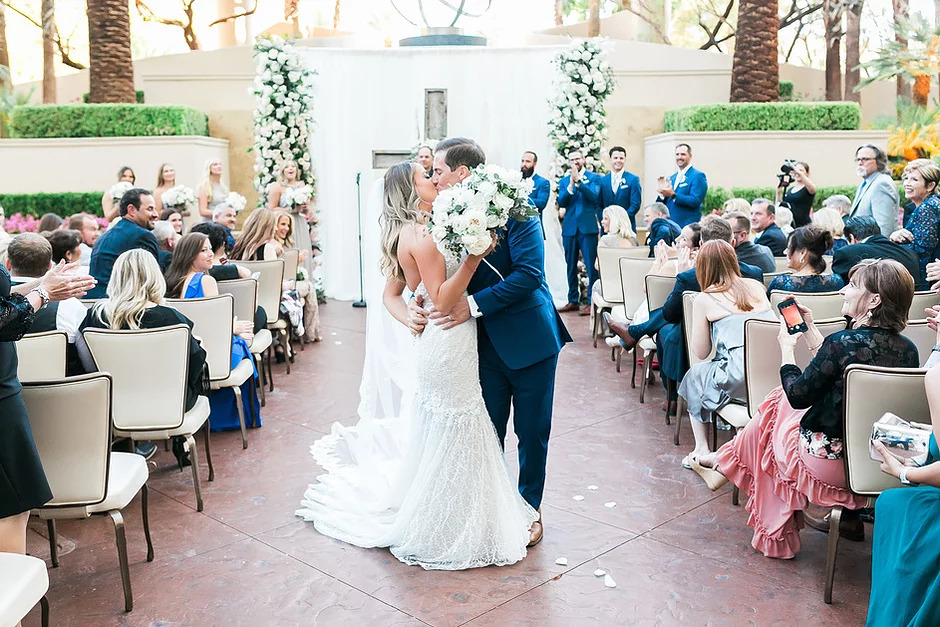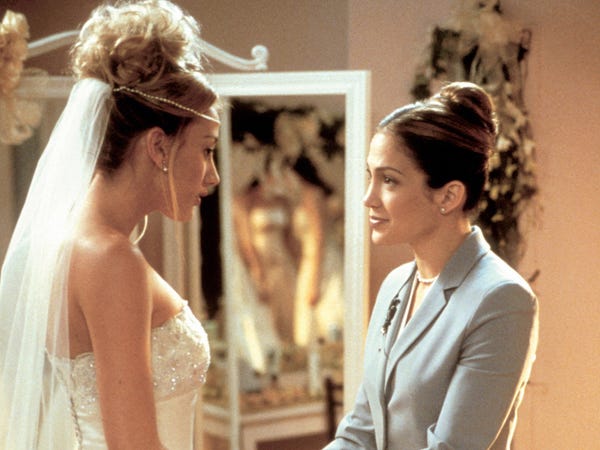
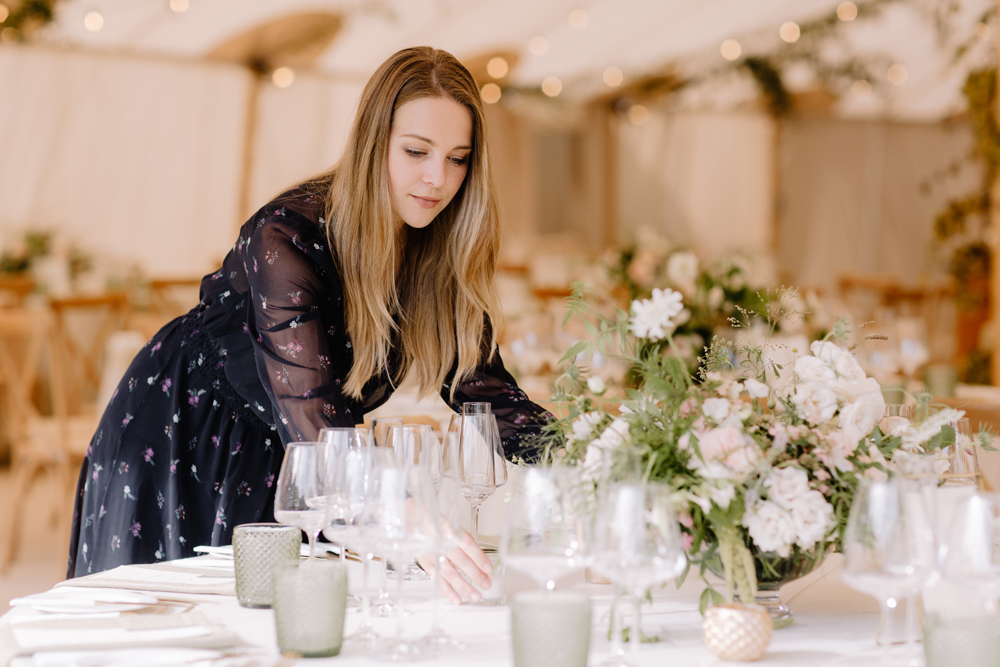
Weddings are a once-in-a-lifetime event for most couples, a day meant to celebrate love, commitment, and the beginning of a new chapter. While these moments are undoubtedly filled with joy and excitement, they also come with a fair share of stress, logistics, and, of course, intricate planning. It’s no surprise, then, that the role of the wedding planner has become an indispensable part of modern wedding culture. The wedding planner is more than just a coordinator; they are the mastermind behind a seamless event, the trusted advisor, and, often, the calming presence amid the flurry of decisions and emotions. The wedding planner’s role is not just about organizing; it’s about curating an unforgettable experience that reflects the couple’s vision while managing all the intricate details that go into making the day truly special.
The Rise of the Wedding Planner: A Shift in Tradition
The concept of hiring a wedding planner has evolved significantly in the last few decades. Historically, weddings were planned by the bride’s family, with much of the ceremony’s organization taking place within the extended family circle. However, as weddings grew in complexity and scale, especially in the 20th century, the demand for professional help in planning these events skyrocketed. The rise of destination weddings, larger guest lists, and the increasing popularity of themed or custom-designed ceremonies led to the professionalization of wedding planning.
In today’s world, weddings are often a grand affair—elaborate celebrations that span days or even weeks. Couples are no longer limited to traditional venues and ceremonies; they may wish to tie the knot in exotic destinations, at unique venues, or in highly personalized settings. With these new possibilities come new challenges: intricate timelines, budget management, and coordination of various vendors, from florists to caterers to photographers. A wedding planner brings expertise to the table, helping to navigate these complexities while ensuring that the couple’s vision is realized.
The Core Responsibilities of a Wedding Planner
While the role of a wedding planner may vary depending on the specific needs of a couple, several core responsibilities define their job. First and foremost, wedding planners serve as the central point of contact for all aspects of the event, managing communications with vendors, suppliers, and other stakeholders. This ensures that the couple is not overwhelmed by the dozens of details they would otherwise need to oversee themselves.
A wedding planner’s duties can be broken down into several key areas:
-
Budget Management: One of the first tasks a wedding planner will take on is helping the couple establish a realistic budget. Weddings can be expensive, and staying within budget while still achieving the desired atmosphere is a delicate balancing act. The planner offers advice on where to allocate funds and which elements of the wedding can be scaled back if necessary. They also ensure that the couple doesn’t exceed their financial limits, monitoring expenses throughout the planning process.
-
Vendor Coordination: A wedding planner has an extensive network of trusted vendors—from florists and photographers to caterers, musicians, and makeup artists. They not only recommend the best in the business but also handle all the negotiations and contracts, ensuring that everything from the cake to the flowers is in place. They are the liaison between the couple and the vendors, managing logistics and ensuring that everyone is on the same page.
-
Timelines and Schedules: One of the most crucial aspects of wedding planning is creating and managing the timeline. A wedding planner ensures that everything runs according to schedule, from the ceremony’s start time to the grand exit. This includes coordinating the arrival of guests, ensuring that the bride’s and groom’s preparations are on track, and making sure that all the key events of the day, such as the speeches, dances, and cake cutting, occur smoothly and without delay.
-
Design and Décor: Weddings are as much about aesthetics as they are about the actual ceremony. A wedding planner works closely with the couple to understand their style and vision for the day, and then helps bring that vision to life. Whether it’s an elegant black-tie affair or a rustic barn wedding, the planner ensures that the décor complements the theme. They are responsible for sourcing and coordinating all the visual elements, from flowers to lighting to table settings, to create a cohesive look.
-
Problem Solving and Stress Management: Weddings rarely go off without a hitch, and this is where the wedding planner’s expertise really shines. From weather-related complications to last-minute changes in the schedule, the planner is always ready to tackle unforeseen challenges with poise and professionalism. They anticipate potential issues before they arise and act swiftly to keep everything on track, minimizing stress for the couple.
The Emotional Support and Trust Factor
While the logistical aspects of wedding planning are undoubtedly important, the emotional support that a wedding planner provides cannot be overstated. Planning a wedding is often a highly emotional experience, with many couples facing pressure from family expectations, personal dreams, and the desire to create the perfect day. A good wedding planner is not only a manager but also a confidant. They offer advice when necessary, listen to concerns, and provide reassurance during moments of uncertainty. Their calming presence can be a lifeline during moments of stress, ensuring that the couple feels supported every step of the way.
Additionally, the wedding planner plays a crucial role in ensuring that the couple’s vision is executed in a way that is true to their desires. Whether it’s a couple wanting a traditional, intimate ceremony or one dreaming of an extravagant celebration, the planner works tirelessly to ensure that the final product is a reflection of the couple’s personality and values. Their job is to take the stress of decision-making off the couple’s shoulders, freeing them up to enjoy the process and, most importantly, the big day itself.
Types of Wedding Planners: Tailoring Services to Fit the Couple’s Needs
Wedding planners offer a range of services, depending on the couple’s needs and the complexity of the event. Some couples may choose a full-service wedding planner, who handles every aspect of the wedding, from the engagement to the honeymoon. Others may opt for partial planning services, where the planner helps with specific areas, such as vendor coordination or design. There are also day-of coordinators, who step in just before the event to ensure that everything runs smoothly on the big day.
Destination wedding planners are another specialized type, catering to couples who wish to marry in a foreign location. These planners are experts in working with local vendors and handling the intricacies of marrying abroad, from travel arrangements to legal documentation.
The Impact of a Wedding Planner on the Couple’s Experience
At the end of the day, the wedding planner’s primary goal is to make the couple’s dreams come true. They handle the details, leaving the couple free to enjoy the anticipation leading up to the event and the celebration itself. With the expertise of a wedding planner, couples can rest assured that their special day will be everything they envisioned—flawless, unforgettable, and filled with love.
In essence, a wedding planner is not just a service provider; they are a partner in the journey to one of the most important days in a couple’s life. Through expert organization, creative design, and emotional support, wedding planners ensure that the day unfolds without a hitch, allowing the couple and their loved ones to fully embrace the joy of the occasion. In the complex, fast-paced world of modern weddings, a skilled wedding planner is truly invaluable—making the dream of a perfect wedding day a beautiful reality.