


Decorations, often overlooked in the whirlwind of daily life, possess the power to transform a space in ways that can evoke emotion, stimulate creativity, and bring a sense of comfort and style. Whether it’s the personal touch of family photos adorning the walls, the subtle sophistication of a carefully chosen vase, or the seasonal beauty of a wreath hung on the door, decorations play a crucial role in shaping the atmosphere of a room or an entire home. Through history, across cultures, and within personal spaces, the act of decorating has always been a reflection of one’s identity, taste, and a desire to create a space that feels uniquely one’s own.
The Psychological Impact of Decorations
The first and most important function of decoration is often psychological. As human beings, we are naturally drawn to beautiful things, and well-placed decor has the ability to improve our mood, increase productivity, or bring a sense of calm. Research in environmental psychology has demonstrated that our surroundings can significantly affect our mental well-being. For example, natural elements like plants and natural wood textures have been shown to reduce stress levels, increase feelings of relaxation, and even improve focus. In contrast, cluttered or disorganized spaces tend to induce feelings of anxiety and unease.
The colors, shapes, and textures used in a room can set the tone for the environment. A bright, airy room filled with soft neutrals and light colors promotes relaxation, while a room adorned in deeper hues of blues, purples, or even reds can evoke a sense of coziness, drama, or even luxury. The psychological effects of decoration extend beyond the visual—they also influence how we interact with a space. A well-decorated area encourages engagement, whether it’s through a striking art piece that invites admiration or a cozy nook that beckons you to sit and unwind.
Decoration as Expression of Personality
One of the most powerful elements of decoration is its ability to tell a story. The items we choose to place in our homes—whether through furniture, artwork, or accessories—are often an extension of our personalities and the experiences that have shaped us. For many, the process of decorating is about curating a space that feels deeply personal, a space that reflects one’s identity, values, and aspirations.
Consider, for instance, how a minimalist might decorate their home. They may choose a few carefully considered pieces: a striking sculpture, a soft wool rug, or a beautifully crafted piece of furniture—all emphasizing clean lines, simplicity, and the beauty of negative space. In contrast, someone with a bohemian style might fill their home with vibrant textiles, eclectic furniture, and a mishmash of vintage and handmade objects that reflect a love for artistry, travel, and free-spirited living. These choices are more than aesthetic; they are a form of self-expression, a way to make the space feel authentic and resonant.
In this sense, decoration serves as a visual language. It communicates not only our tastes but also our personal histories and values. Whether it’s a wall lined with vintage records, a carefully curated bookshelf, or a collection of family heirlooms, the objects we surround ourselves with are often deeply sentimental and meaningful.
Seasonal and Holiday Decorations
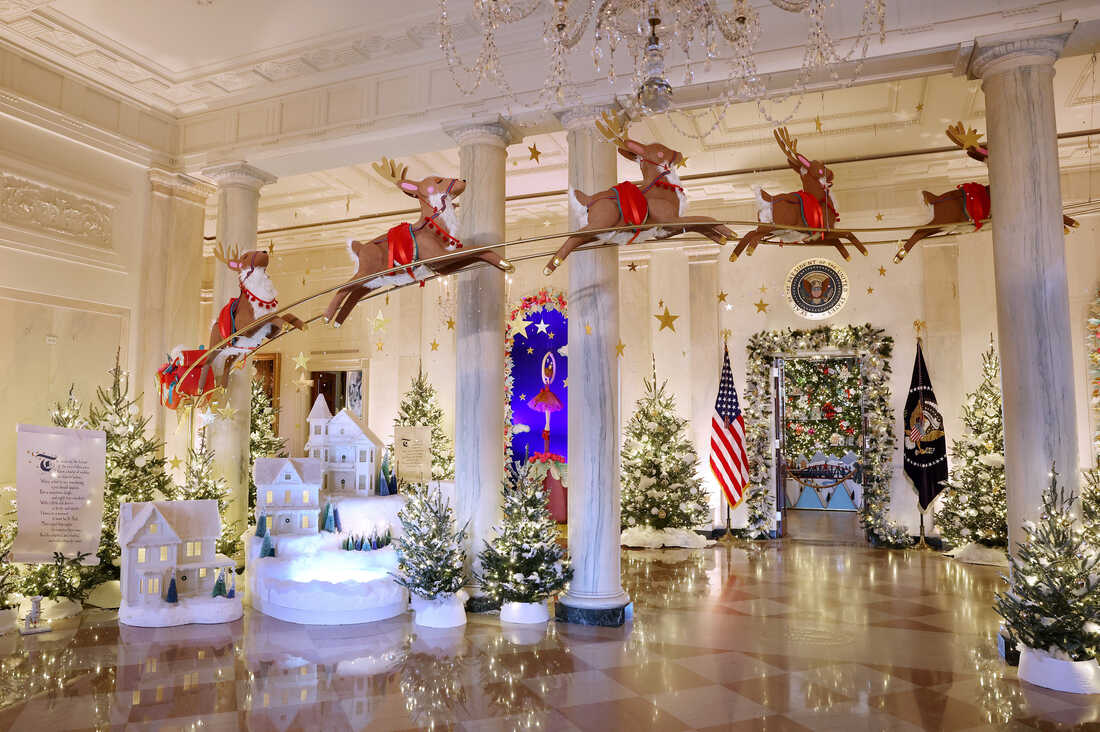
Beyond personal style, decorations also play a vital role in marking the passage of time and celebrating traditions. Seasonal decorations, especially those tied to holidays, provide an opportunity to bring a touch of festive cheer into our homes. These decorations—whether for Christmas, Halloween, or Thanksgiving—serve to create an atmosphere that is special, transient, and reflective of a collective experience.
During the holidays, families often engage in the tradition of decorating together, a practice that fosters a sense of community and shared joy. The act of decorating a Christmas tree, for example, is imbued with nostalgia and sentiment, each ornament telling a story of years past or marking a milestone in the family’s life. Similarly, Halloween decorations, with their playful and spooky aesthetic, create an opportunity to engage in a cultural celebration that delights both children and adults alike. These moments of decorating are more than just about aesthetics—they’re about creating memories, bringing people together, and marking moments in time with joy and festivity.
Moreover, seasonal decorations have the ability to lift the spirits and infuse a sense of excitement into otherwise ordinary days. The bright colors of spring flowers or the warm glow of candlelight in winter can turn a mundane space into one of beauty, wonder, and connection to the world around us.
The Role of Materials and Textures
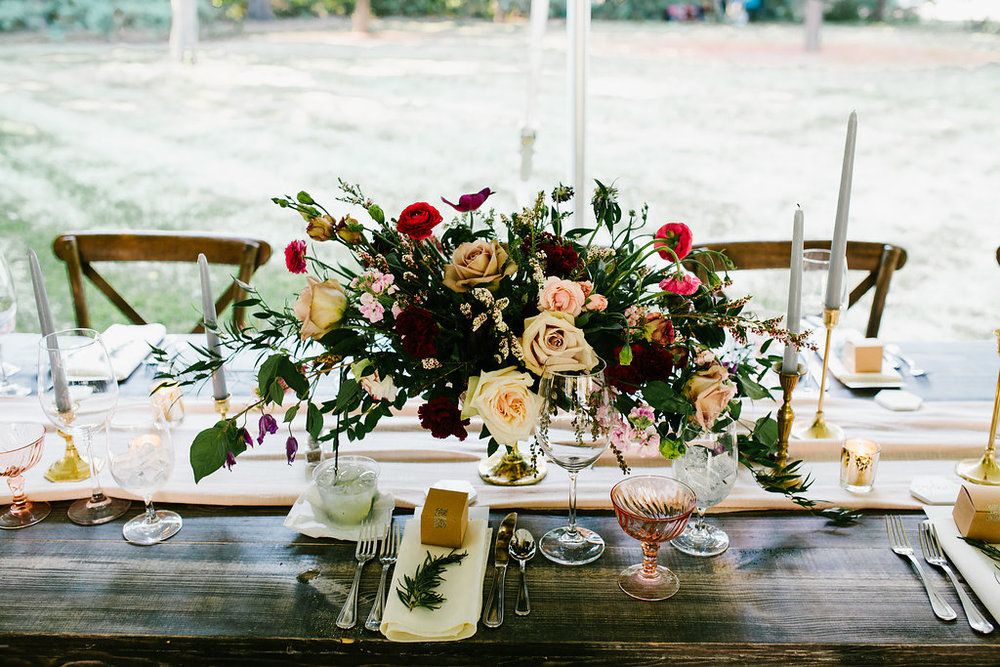
Materials and textures are critical elements of decoration, providing depth, warmth, and contrast to a room. In recent years, there has been a notable emphasis on mixing materials—combining wood with metal, glass with stone, or fabric with leather—to create a balanced, multidimensional aesthetic. This fusion of textures invites the eye to explore and appreciate the tactile nature of the space. A velvet cushion contrasts wonderfully with a sleek marble table, while a woolen throw might offer a comforting juxtaposition against polished wooden floors.
Sustainability also plays an increasingly important role in decorating choices. As people become more conscious of environmental impact, there is a growing trend toward using materials that are both sustainable and aesthetically pleasing. Reclaimed wood, bamboo, and natural fibers such as hemp and linen are becoming more popular for furniture and decor, allowing individuals to create stylish and eco-friendly interiors.
Texture is another tool at the decorator’s disposal. Whether it’s the tactile softness of a plush rug underfoot, the sleek surface of a granite countertop, or the warmth of a wooden chair, textures contribute to the feeling of a room. By thoughtfully selecting materials with different textures, designers and homeowners can create spaces that are visually intriguing and physically inviting.
The Role of Decoration in Public Spaces
While the focus of this article has primarily been on private interiors, decoration is equally essential in public spaces such as offices, restaurants, hotels, and museums. In these settings, the aim of decoration extends beyond aesthetics to influence behavior and create specific impressions. In a restaurant, for example, decor may evoke a sense of warmth and comfort to encourage relaxation, while in a high-end boutique, sleek and minimalistic decor may reflect sophistication and luxury. Museums and galleries use decor strategically to complement the artwork on display, ensuring that the environment enhances and does not overpower the art.
In public spaces, decoration also serves a branding or marketing function. A brand’s identity is often reinforced through the design and decoration of its physical spaces. A company’s office, for example, can reflect its corporate values—whether through modern, cutting-edge design or more traditional, stately decor that emphasizes trust and stability.
Conclusion
Decoration is more than just a superficial layer added to a space; it is a reflection of the individuals who inhabit it, their values, experiences, and desires. Whether in the form of personal touches, seasonal celebrations, or the deliberate choice of materials, decorations shape the way we interact with and experience our environments. Through thoughtful curation, decorations can not only enhance the beauty of a space but also enrich our emotional and psychological connection to it. Ultimately, decoration is a form of art—a unique expression of human creativity that transforms the ordinary into the extraordinary.