



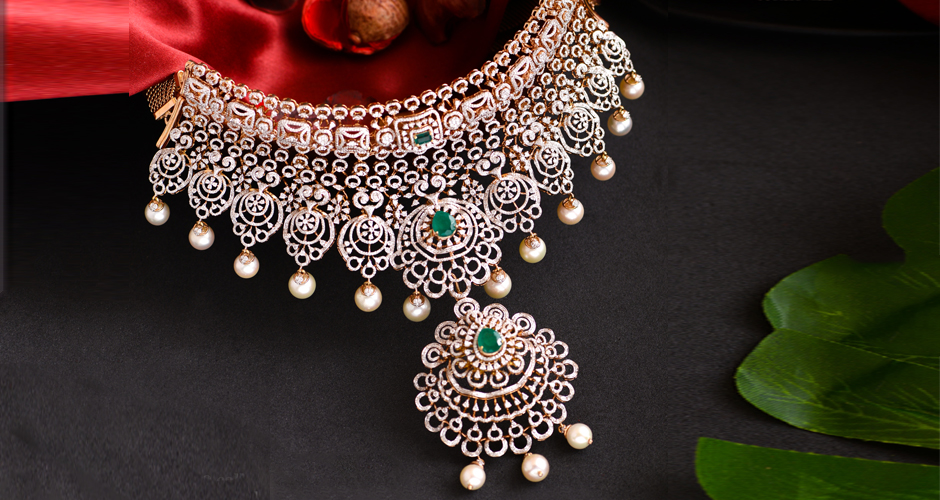
A diamond is a luxury item and a beauty, also signifying a person who wears it. It is also a good investment. When you go to the market, you may encounter the term “diamond wholesale.” There, you find a diamond jewelry store which sells diamonds wholesale. But do you understand what it means? In this article, we’ll discover what diamond wholesale means, the benefits of buying diamonds at wholesale prices, and provide you with important tips to make informed decisions when purchasing wholesale diamonds.
Understanding Diamond Wholesale
One of the most valuable and sought-after jewels in the world is the diamond. Purchasing diamonds may be a big financial choice, whether it’s for an investment, a special occasion, or an engagement ring. Diamond wholesale is a viable choice for anyone seeking to buy diamonds at a lower cost.
Diamond wholesale is the term used to describe the sale of diamonds in bulk to retailers, jewellers, or individual customers straight from the source or a diamond wholesaler. In comparison to retail establishments, diamond wholesalers can offer lower pricing by cutting out the middlemen and purchasing in bulk. Customers may now purchase premium diamonds at a reasonable price.
Having access to a large assortment of stones is one of the main benefits of purchasing diamonds in bulk. Usually, wholesalers have a huge selection of diamonds in different sizes, shapes, colours, and clarities. This makes it possible for customers to locate the ideal diamond that fits their needs and tastes. Furthermore, wholesalers often have access to unique and rare diamonds that retail establishments might not carry.
Customisation is an additional advantage of purchasing diamonds in bulk. Wholesalers often collaborate closely with talented diamond cutters and artisans who may produce unique pieces that meet the needs of the customer. Customers can now have customized diamond jewellery that expresses their own style thanks to this.
Another essential component of diamond wholesale is transparency. Reputable wholesalers offer comprehensive details on the diamonds they sell, including any certificates from accredited gemological laboratories and the 4Cs (carat weight, colour, clarity, and cut). This openness guarantees that customers are getting real, premium gems and helps them make well-informed judgments.
It’s crucial to remember, though, that buying diamonds in bulk necessitates some research and understanding. Buyers should familiarise themselves with market prices, the diamond industry, and the grading system. Working with trustworthy wholesalers who have a reputation for offering high-quality diamonds and first-rate customer support is also advised.
Benefits of Buying Diamonds at Wholesale Prices
- Availability of a Wide Range: Access to a large range of selections is one of the major advantages of buying diamonds at wholesale costs. Because wholesalers frequently keep enormous inventories of diamonds, purchasers can select from a wide variety of sizes, shapes, colours, and clarities. This means that clients will be able to locate the ideal diamond that fits their unique needs and tastes.
- Competitive Rates: Wholesale prices are typically much lower than retail prices, making it a cost-effective option for diamond buyers. By purchasing diamonds at wholesale, customers can save a significant amount of money compared to buying from a traditional jewellery store. This allows individuals to acquire high-quality diamonds at more affordable prices.
- Customisation Possibility: Customisation is often possible when purchasing diamonds in bulk. Wholesalers may offer services like custom designs, ring customisation, or diamond settings. Customers can use this to design one-of-a-kind jewellery that suits their tastes and styles.
- Value of Investment: The investment value of diamonds is well-known due to their propensity to increase in value over time. Purchasing diamonds at wholesale pricing is an investment opportunity since buyers may get premium gems for less money. These diamonds might be invested for potential future profits or held as assets.