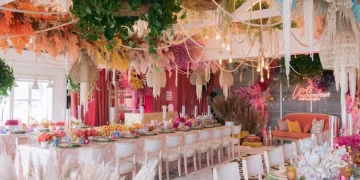



A brand launch is far more than a corporate announcement; it is the physical manifestation of a company’s ethos, values, and future trajectory. In an era dominated by digital noise, a physical launch event offers an unparalleled opportunity to create a tangible, lasting impression on media, influencers, and prospective consumers. The styling of the event serves as the silent ambassador of the brand, translating abstract corporate messaging into three-dimensional sensory experiences.
To cut through the clutter, modern event production rejects generic hospitality setups in favor of bespoke, highly curated environments. Successful styling ensures that every architectural detail, lighting angle, and material texture works in harmony to tell a cohesive narrative. By shifting the focus from basic decoration to strategic experiential design, brands can craft immersive environments that spark organic conversation and drive long-term brand equity.
Spatial Narrative and the Guest Journey
The foundation of exceptional brand event styling rests on spatial choreography. The layout should act as a physical storybook, guiding guests through a sequence of zones that build anticipation and deliver a distinct emotional arc.
The Threshold of Anticipation
The entrance sets the psychological tone for the entire event. A generic step-and-repeat banner is no longer sufficient for high-end brand launches. Instead, style the entryway as a transitional tunnel or a decompression corridor. Utilizing monochromatic color blocking, architectural archways, or projection-mapped digital hallways isolates guests from the outside world, immediately immersion them into the brand universe from their very first step.
Zone Separation and Strategic Discovery
Avoid displaying the hero product or core message immediately upon entry. Instead, break the venue into distinct, interconnected chambers.
-
The Conceptual Lounge: A space designed with minimalist corporate markers where guests mingle, enjoy curated refreshments, and absorb the background philosophy of the brand.
-
The Reveal Sanctuary: A high-impact, sound-isolated chamber designed specifically for the moment of unveiling, utilizing dramatic lighting and structural curtains to build tension.
-
The Deep-Dive Interactive Zone: A hands-on area where attendees can test products, interact with touchscreens, or engage in sensory workshops that demonstrate the product’s utility.
Materiality, Color Psychology, and Subconscious Branding
Effective branding in event styling is subtle. Plastering logos on every flat surface creates visual fatigue and cheapens the aesthetic. True luxury and sophisticated design rely on texture, material choices, and color psychology to reinforce the brand identity subconsciously.
Custom Texture Matching
The physical surfaces within the venue should mirror the product itself. If a tech company is launching a sleek, sustainable smartphone, the event styling should incorporate matte anodized aluminum, sandblasted glass, and raw, unfinished birchwood to echo sustainability and precision engineering. Conversely, a luxury skincare launch demands soft velvet draping, smooth polished marble slabs, and translucent resin fixtures that evoke thoughts of glowing, hydrated skin.
Monochromatic Dominance and Accent Theory
Rather than trying to incorporate a multi-colored corporate palette across the entire room, select one dominant hue to create a high-impact, uniform environment.
-
Color Flooding: Painting walls, floors, and furniture in a single precise pantone shade creates a surreal, high-fashion atmosphere that commands attention in photographs.
-
The Contrast Anchor: Use a secondary brand color exclusively for the hero product display, making it the undeniable visual focal point of the space against the monochromatic background.
Tactical Illumination and Digital Fusion
Lighting is the ultimate tool for directing human attention and altering spatial perception. In brand styling, lighting must do more than provide visibility; it must frame the product and dictate the mood of the room.
Sculptural Product Spotlighting
The hero product should always receive custom studio-grade illumination. Use narrow-angle, high-color-rendering LED pin-spots that highlight the true colors and textures of the item without casting shadows on the surrounding display table. Avoid warm household lighting for technical or modern products, opting instead for crisp daylight color temperatures that convey precision and cleanliness.
Kinetic Light Installations
Static spaces can feel stagnant over the course of a multi-hour event. Incorporating kinetic lighting, such as motorized LED tubes that shift patterns in sync with ambient soundscapes, introduces organic movement into the architecture. When transitioning to the official presentation, the lighting can slowly shift from diffused, atmospheric washes to sharp, directional beams that guide all eyes to the main stage.
Designing for Content Amplification
In the modern landscape, an event is only as successful as its digital echo. Every corner of a brand launch should be styled with photography and videography in mind, ensuring that organic social media coverage looks polished, professional, and inherently premium.
Three-Dimensional Photo Environments
Ditch two-dimensional backdrops in favor of deep, interactive vignettes. Build out realistic, hyper-styled rooms or abstract geometric landscapes that guests can physically walk into and interact with.
-
Depth and Scale: Use foreground elements like architectural pillars or floating floral installations, middle-ground seating, and textured backdrops to create a sense of cinematic depth in smartphone cameras.
-
Flattering Ring-Light Integration: Seamlessly conceal soft, diffused continuous ring lighting within the structural framework of the photo zone to ensure that every guest looks flawlessly illuminated without visible production equipment.
Structural Framework for a Launch Blueprint
To execute a comprehensive launch event, production teams must balance various functional spaces. The following structural blueprint details how different design elements manifest across key zones:
| Event Zone | Primary Design Objective | Structural Materials | Content Strategy |
| Decompression Tunnel | Sensory reset, high anticipation | Dark acoustic panels, LED strip pathways | Dramatic silhouette photo opportunities |
| Networking Hub | Extended comfort, subtle branding | Custom-upholstered lounges, matte stone tables | Detail shots of branded catering elements |
| The Unveiling Stage | Maximum focus, high drama | Kinetic fabric drops, high-lumen projection walls | Wide-angle video capture of the reveal |
| Tactile Testing Bars | Hands-on engagement, education | Backlit acrylic, anti-fingerprint metals | Close-up macro shots of product interaction |
Frequently Asked Questions
How can a brand launch incorporate sustainable styling without sacrificing a luxury aesthetic?
Sustainable luxury is achieved by prioritizing rented structural components, sourcing local, fast-growing natural materials, and omitting single-use plastics. Utilize modular staging systems that the production company reuses across multiple events, and opt for organic textiles dyed with non-toxic botanical inks. Instead of discarding cut floral arrangements, incorporate living potted trees, architectural ferns, and moss installations that can be returned to nurseries or replanted post-event.
What is the ideal ratio between physical product space and guest networking space?
A well-balanced layout allocates approximately thirty percent of the floor plan to product displays and interactive testing zones, while dedicating seventy percent to guest movement, networking lounges, and hospitality bars. This ensures that the venue never feels like a cramped retail store, allowing attendees to digest the brand information at leisure without feeling pressured by overcrowded exhibition floors.
How do you prevent audio bleed between different zones in an open-concept venue?
Audio isolation in open spaces requires strategic acoustic styling. Utilize heavy, high-density velvet or wool felt drapery panels hung from overhead trusses to create soft acoustic barriers that absorb sound waves. Additionally, employ directional audio technology, such as ultrasonic spot-speakers mounted directly above product stations, which beam audio tightly to a single standing listener without allowing the sound to bleed into adjacent lounges.
What are the best methods for branding catering and refreshments elegantly?
Avoid stamping large, colorful corporate logos directly onto food items, which can feel unappetizing and forced. Instead, approach catering styling through the lens of customization. Design bespoke glassware shapes that echo the geometry of the product, create signature cocktails that use the natural color palette of the brand identity, and utilize custom-stamped linen napkins or engraved wooden serving trays to display culinary items with understated sophistication.
How do you design an event that appeals equally to physical attendees and digital live-stream audiences?
Dual-audience design requires treating the physical venue as a live television set. Ensure that the main stage backdrop is finished with non-reflective, matte materials to eliminate camera glare on broadcast screens. Position high-definition cameras on elevated, unobtrusive platforms, and coordinate the venue lighting levels so that the stage presenters are perfectly exposed for the digital broadcast without blinding the physical guests sitting in the front row.
What steps should be taken to ensure brand color accuracy under artificial event lighting?
To maintain absolute color fidelity for brand logos and specific packaging, work exclusively with fixtures boasting a high Color Rendering Index of ninety-five or above. Before the event, conduct a comprehensive lighting check using physical product samples under the venue’s lights. Saturated colored gels or low-quality LED fixtures can alter brand tones dramatically, turning a precise navy blue into an unbranded purple on camera lenses.
How do you manage guest flow if the interactive product zone becomes overcrowded?
Incorporate a digital queuing system or design a decentralized layout where product testing bars are scattered across three distinct areas of the venue rather than clustered in a single central hub. Additionally, styling secondary zones with high-engagement elements, such as an artisanal coffee bar or a live musical performance area, naturally pulls foot traffic away from the main product display, maintaining a spacious and comfortable environment.