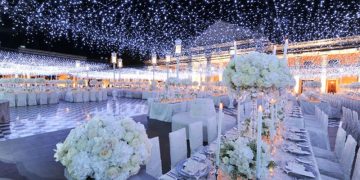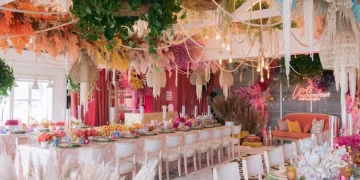



The ambiance of a wedding venue dictates the emotional undertone of the entire celebration. While floral arrangements, linens, and color palettes lay the groundwork for the visual theme, lighting is the transformative element that unifies these components. Among the various approach methodologies, soft lighting stands out as the ultimate tool for creating an intimate, romantic, and timeless atmosphere.
Soft lighting avoids harsh glares and sharp shadows, opting instead for diffused, warm illumination that flatters guests, enhances photography, and makes large spaces feel welcoming. By thoughtfully layering different light sources, couples can craft an ethereal environment that evolves seamlessly from the daytime ceremony to the late-night reception.
The Philosophy of Layered Ambient Lighting
Achieving a high-end, soft lighting design requires moving away from single, high-intensity light sources. Instead, professional event designers utilize a technique known as layering. This involves combining background, task, and accent lighting at varying heights and intensities to create depth and visual texture within the venue.
Ground-Level Warmth
The lowest layer of light establishes the perimeter and grounds the space. Utilizing heavy glass hurricane vases filled with thick pillar candles along pathways, structural pillars, and the base of the altar creates a glowing foundation. The natural flicker of firelight introduces an element of movement that static electric bulbs cannot replicate.
Mid-Level Dimension
Mid-level lighting focuses on areas where guests interact directly, primarily around tablescapes and lounge areas. Pin-spotting—using highly focused, narrow beams of soft light—can be directed at table centerpieces. This technique ensures that flowers and place settings are illuminated beautifully while the surrounding air remains dim and atmospheric.
Overhead Canopies
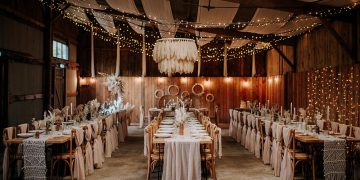
The highest layer of light defines the ceiling of the venue, whether it is an indoor ballroom or an open-air tent. Rather than relying on commercial house lights, designers can install sweeping installations of fairy lights, exposed Edison bulbs, or draped fabric embedded with micro-LEDs to mimic a low-hanging starry sky.
Innovative Soft Lighting Concepts for the Ceremony
The ceremony requires lighting that focuses attention on the couple while maintaining a reverent, emotional mood. Soft lighting during this segment should feel natural and unforced.
The Luminous Aisle Runner
Instead of a traditional fabric runner, define the wedding aisle using a continuous line of warm, diffused light. This can be achieved by placing dense clusters of varying-height pillar candles inside safe, enclosed glass vessels along both sides of the aisle. The glow reflects off the floor, creating a radiant path for the processional.
Backlit Architectural Backdrops
For indoor ceremonies, creating a soft focal point behind the altar adds immense depth to photographs.
-
Fabric Draping with Integrated LEDs: Hanging sheer voile or chiffon panels with warm white fairy lights running behind the fabric diffuses the light perfectly, turning a plain wall into a glowing, soft-focus backdrop.
-
Industrial Edison Geometry: Hanging a series of vintage-style Edison bulbs at staggered heights from a custom geometric frame creates a warm, golden halo effect around the couple without creating harsh glare.
Transforming the Reception with Soft Illumination
The reception demands a transition toward celebration, but the intimacy of the evening can be preserved by keeping the light output soft, warm, and dynamically controlled.
Floating Candle Centerpieces
On reception tables, traditional tall candlesticks can be supplemented or replaced with floating candles in water-filled glass cylinders. The water acts as a natural lens, magnifying the candlelight and casting dancing reflections across the table linens and glassware. Pairing these with low-profile floral arrangements ensures that conversation flows easily across the table.
Under-Table and Perimeter Uplighting
Uplighting involves placing light fixtures on the floor and projecting the beam upward against walls, columns, or drapery. To maintain a soft aesthetic, opt for warm amber, champagne, or soft peach tones rather than saturated primary colors.
-
Bar and Station Glow: Placing LED light strips under frosted glass or acrylic bar fronts creates a soft, self-illuminated feature that naturally draws guests to refreshment areas.
-
Tree Canopy Illumination: For outdoor or tented receptions, placing soft uplights at the base of nearby trees highlights the natural architecture of the landscape, expanding the visual footprint of the party after dark.
Material and Spatial Considerations for Soft Lighting
The way light behaves depends entirely on the surfaces it encounters. Choosing the right materials for your decor can maximize the effectiveness of soft lighting installations.
| Material Type | Interaction with Light | Best Decorative Application |
| Sheer Voile / Chiffon | Diffuses light, softens harsh beams | Ceiling draping, backdrop panels |
| Clear Acrylic / Plexiglass | Allows light to pass through, creates clean reflections | Modern ghost chairs, illuminated signage |
| Mercury Glass | Scatters light into a mottled, vintage pattern | Votive candle holders, small table vases |
| Brushed Metallics | Reflects light with a soft, non-glare sheen | Charger plates, geometric floral stands |
Technical Executions for Flawless Ambiance
To execute a soft lighting scheme successfully, technical parameters must be managed precisely.
Color Temperature Management
Light temperature is measured in Kelvins. Standard office lighting sits around 5000K, which feels cold and sterile. For weddings utilizing soft lighting, all electric bulbs should strictly fall between 2200K and 2700K. This range delivers the warm, golden-amber hue associated with candlelight and sunset, which instantly induces relaxation and comfort.
Complete Dimmer Control
Every electric light source utilized across the venue must be connected to a centralized dimmer system. As the natural daylight shifts outside, the production team must gradually lower the interior lighting levels. This guarantees that the transition from dinner to dancing feels natural and that the room never feels overly bright as the night progresses.
Frequently Asked Questions
Can soft lighting be achieved effectively in a bright afternoon outdoor wedding?
Yes, though the approach differs from evening lighting. In bright sunlight, soft lighting is achieved by introducing diffusion materials overhead. Utilizing sheer sailcloth tents, open-air pergolas draped with semi-translucent fabrics, or hosting the event beneath a dense canopy of mature trees softens the harsh midday sun, eliminating dark facial shadows and squinting.
How do you calculate the number of candles needed for a soft-lit reception table?
A general rule of thumb for achieving a rich, romantic glow is to allocate three to five votive candles and two to three pillar or taper candles per every two linear feet of a banquet table. For round tables seating eight to ten guests, a central cluster of five varying-height pillar candles combined with four surrounding votives provides optimal, glare-free illumination.
What are the safety regulations regarding open flames at historic wedding venues?
Many historic properties, museums, and wooden barns prohibit open flames entirely to prevent fire hazards. In these scenarios, you can achieve an identical soft aesthetic by utilizing high-end, real-wax LED candles. Look for premium flameless candles that feature a moving, electromagnetic three-dimensional wick, which convincingly replicates the flicker of a real flame.
How does soft lighting impact wedding photography and videography?
Soft lighting is highly advantageous for photography because it eliminates the harsh, aging shadows caused by direct overhead lights. It acts like a real-world beauty filter, softening skin tones and creating beautiful circular catchlights in the eyes. Experienced photographers will use wide-aperture lenses to capture the ambient glow beautifully without needing to rely on disruptive flashes.
What is the best way to hide unsightly electrical cords in a soft lighting layout?
Professional lighting technicians use several concealment methods. Cords running along floors are covered with heavy-duty gaffer tape that matches the color of the flooring, or hidden beneath custom-laid carpeting. For vertical structures, cords are wrapped tightly along the backside of pillars, tucked into fabric draping channels, or disguised using faux greenery garlands that blend into the floral design.
How can color-changing LED lights be used without ruining a soft, romantic theme?
Color-changing LEDs should be restricted to subtle, warm tonal shifts rather than flashing, vibrant club colors. For dinner, the LEDs can be set to a static champagne or soft blush tone. As dancing begins, the system can transition to a slow, imperceptible cross-fade into a deep amber or soft lavender, altering the energy of the room without breaking the sophisticated mood.