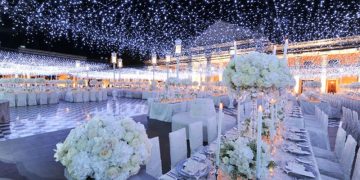



The Art Deco movement, which flourished in the 1920s and 1930s, remains one of the most glamorous eras in design history. Characterized by bold geometric shapes, rich colors, and lavish ornamentation, this design style represents a time of celebration, optimism, and industrial progress. For modern couples planning their wedding, an Art Deco theme offers the perfect blend of vintage nostalgia and sophisticated luxury.
Bringing this look to life requires a deep understanding of its core elements: symmetry, linear patterns, metallic finishes, and high-contrast color palettes. Rather than feeling like a costume party, a well-executed Art Deco wedding should feel timeless, opulent, and intentionally curated. Here is a comprehensive guide to designing a wedding celebration inspired by the grandeur of the Art Deco era.
The Core Color Palettes of Art Deco Design
Establishing your color scheme is the foundation of your entire wedding design. The Art Deco period relied heavily on striking contrasts and metallic accents to convey a sense of wealth and modernity.
Classic Onyx and Gold
The most recognizable combination from this era is a high-contrast pairing of deep black and shimmering gold. This look works exceptionally well for evening receptions held in grand ballrooms or historic mansions.
-
Design Application: Use matte black tablecloths as a backdrop for polished brass chargers, gold-rimmed glassware, and heavy metallic candelabras.
-
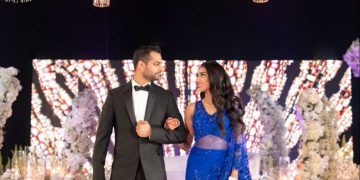
Visual Impact: This palette creates an immediate sense of drama and formal elegance, encouraging guests to dress in black-tie attire.
Jade, Emerald, and Brass
For couples who want to introduce rich color without losing the vintage aesthetic, deep jewel tones are an excellent choice. Green was a favorite hue of the period, often seen in luxurious velvet drapery and high-end jewelry.
-
Design Application: Incorporate emerald green velvet lounge furniture into your cocktail hour space, paired with geometric brass coffee tables.
-
Visual Impact: This scheme feels exceptionally regal, rich, and sophisticated, making it ideal for autumn or winter weddings.
Monochromatic Cream and Platinum
If your style leans more toward understated luxury, you can interpret the Art Deco theme through soft, neutral tones mixed with cool metallic finishes.
-
Design Application: Pair ivory silk table linens with polished silver or chrome accents, clear crystal glassware, and mirrored table runners.
-
Visual Impact: This creates a clean, bright, and airy atmosphere that still feels undeniably glamorous and expensive.
Geometric Ceremony Backdrops and Altar Designs
The wedding ceremony sets the tone for the entire day. Replacing standard floral arches with architectural structures helps anchor your theme right from the beginning.
Chevron and Sunburst Frames
The sunburst motif and the chevron pattern are two of the most iconic shapes from the 1920s design movement. You can work with a scenic designer or carpenter to build a custom backdrop utilizing these linear concepts.
-
Material Selection: Construct the frame from polished metal or painted wood finished in metallic gold leaf.
-
Floral Integration: Keep the floral arrangements minimal and structural. Instead of loose, rustic wildflowers, choose structured calla lilies, orchids, or tropical fronds tucked neatly into the base or apex of the geometric frame.
Monolithic Pillars and Stepped Arches
Art Deco architecture frequently featured stepped vertical lines, a design choice inspired by ancient Mayan and Egyptian structures discovered during the early 20th century.
-
Material Selection: Use tall, multi-tiered rectangular columns or a stepped archway painted in a clean white or deep charcoal gray.
-
Lighting Contrast: Position uplighting at the base of these structures to cast dramatic shadows along the crisp edges, highlighting the architectural symmetry during the ceremony.
Reception Tablescapes and Linear Centerpieces
The reception tables are where guests will spend a significant portion of the evening, making them the ideal canvas for detailed thematic styling.
Mirrored Accents and Glassware
Reflective surfaces were essential to Gatsby-era design because they maximized light and enhanced the perception of opulence within a room.
-
Table Elements: Use mirrored tabletops or long rectangular mirror runners down the center of long banquet tables.
-
Glassware Choices: Select heavy, crystal-cut glassware or coupe glasses with etched linear patterns. Avoid modern, completely rounded wine glasses in favor of options with structured, angular stems.
High-Drama Tall Centerpieces
Art Deco centerpieces should emphasize height, symmetry, and clean lines rather than the organic, sprawling shapes popular in bohemian or rustic weddings.
-
Floral Strategy: Utilize tall, slender trumpet vases in gold or black to lift arrangements far above the table surface. Fill these vases with perfectly symmetrical spheres of white roses, hydrangeas, or dramatic arrangements of cascading white ostrich feathers.
-
Candle Placement: Surround the tall centerpieces with varied heights of taper candles in angular, geometric holders to cast a warm, flickering glow across the metallic table settings.
Structural Signage, Font Choices, and Paper Goods
Typography plays a monumental role in conveying an Art Deco theme. The fonts of the era featured high-contrast stroke weights, elongated vertical lines, and decorative geometric crossbars.
Laser-Cut Acrylic and Metallic Inlays
Your wedding signage should look like architectural features of a grand 1930s hotel lobby rather than simple informational placards.
-
Welcome Signs: Opt for a large sheet of frosted or black acrylic featuring laser-cut gold lettering in a classic Art Deco typeface.
-
Seating Charts: Arrange the seating chart as a geometric grid, using gold metallic vinyl lines to separate the tables, creating a visually clean and striking installation.
Geometric Escort Cards
Carry the theme down to the smallest paper details by ensuring your place cards and escort cards reflect the era’s signature lines.
-
Execution: Use heavy, high-weight cardstock cut into crisp hexagons or octagons. Detail the edges with a thin border of metallic foil stamping, and use automated calligraphy to print guest names in an angular font style.
Atmospheric Lighting and Venue Selection
The right lighting can completely transform standard decor into a mesmerizing vintage wonderland, especially when paired with an architecturally appropriate venue.
Architectural Venues
While you can bring an Art Deco theme to life anywhere, selecting a venue that naturally features the architecture of the period will save you significant decor budget. Look for historic theaters, historic downtown banks, restored railway stations, or grand ballrooms built during the 1920s or 1930s. These spaces often feature original crown molding, terrazzo floors, and crystal chandeliers that provide an authentic backdrop.
Dramatic Uplighting and Gobo Projections
If your venue is a standard blank slate or a modern tent, you can use specialized lighting techniques to simulate the required architectural patterns.
-
Gobo Light Monograms: Use a gobo projector to cast a large, customized geometric monogram onto the dance floor or behind the head table.
-
Wall Washing: Use warm amber or golden uplighting along flat walls to create the illusion of columns and structured vertical space, enhancing the depth of the room.
Frequently Asked Questions
What type of entertainment best fits an Art Deco wedding theme without turning it into a themed party?
To maintain a sophisticated atmosphere, look for a live big band, a jazz orchestra, or a swing band for the cocktail hour and dinner service. For the later dancing portion of the night, your DJ can mix modern dance hits with vintage-inspired remixes or electro-swing tracks, keeping the musical energy high and accessible for all generations.
How can we ensure our attire aligns with the Art Deco theme without looking like a costume?
The key is to look for subtle historical nods rather than literal reproductions. Brides can look for drop-waist silhouettes, heavy beadwork, linear sequin patterns, or silk slip dresses reminiscent of old Hollywood glamour. Grooms can opt for a classic double-breasted tuxedo, a white dinner jacket with black trousers, or a waistcoat made from a structured jacquard fabric.
Which flower varieties are most appropriate for a 1920s geometric design aesthetic?
Flowers with naturally structured shapes work best. Calla lilies, orchids, anemones, gardenias, and tightly packed roses are excellent choices because they can be arranged symmetrically. Avoid wild, unruly greenery like eucalyptus or loose field flowers, as they disrupt the clean lines and geometric order characteristic of the era.
Can an Art Deco theme work successfully for an outdoor or garden wedding?
Yes, you can adapt the theme for an outdoor setting by focusing on structured garden elements. Look for manicured estate lawns, formal European-style topiary gardens, or courtyards with fountains. Use geometric brass structures for your altar, tailored furniture for outdoor lounges, and crisp, structured lighting to define the space once the sun sets.
How do we design an Art Deco wedding cake that looks modern yet thematic?
Discuss multi-tiered cakes with sharp, square, or hexagonal layers with your baker. Instead of soft buttercream ruffles, ask for smooth fondant finishes decorated with edible gold leaf stenciling in a chevron or sunburst pattern. Incorporating structural elements like sugar sculptures or geometric fondant tiles can make the cake a true centerpiece.
What are some unique wedding favor ideas that fit the luxury vintage theme?
Consider giving guests miniature bottles of artisanal gin or bourbon with custom-printed retro labels, small boxes of high-end dark chocolates wrapped in gold foil, or custom-engraved metal bottle openers shaped like vintage keycards or geometric shapes. These items feel useful, luxurious, and completely on-theme.